
Digital marketing is entering a sharper, more intelligent phase. The brands that grow in 2026 will not be the ones posting more often or spending blindly on ads. They will be the brands that understand their customers better, respect their privacy, and create online experiences that feel useful from the first click.
For businesses in Karur, Tamil Nadu, and across India, this shift creates a real opportunity. A small or mid-sized business can compete with larger players when its website, content, ads, automation, and customer data all work together. At Raja Digital Media, we see three major trends shaping the year ahead.
Guides content, targeting, testing, and customer journey decisions.
Must be earned through trust, consent, and clear value.
Makes product discovery more visual, confident, and interactive.
Why 2026 Is a Turning Point for Digital Marketing
Every major marketing shift changes what customers expect. Mobile-first websites made slow desktop-style pages feel outdated. Short-form video changed how people discover products. Now, AI, privacy, and immersive commerce are changing the foundation of how brands attract and convert customers.
The biggest change is that marketing can no longer be treated as a set of disconnected tasks. SEO, paid ads, social media, landing pages, WhatsApp follow-ups, email campaigns, and analytics must be planned as one connected system. When that system is built well, every customer interaction becomes easier to measure and improve.
That is exactly why businesses benefit from connecting pages like SEO Optimization, Social Media Ads, Google Ads, and Lead Automation instead of treating each channel as a separate silo.
Trend #1 - AI-Led Hyper-Personalization

From Generic Campaigns to Individual Customer Journeys
AI is no longer only a writing assistant. In 2026, it will play a larger role in understanding audience behavior, predicting buying intent, improving ad creatives, and matching the right message to the right customer at the right time.
Instead of showing the same landing page, offer, or email to everyone, brands can create experiences that change based on what a customer has searched, clicked, purchased, or asked for. This makes marketing feel more relevant without making the customer work harder.
For service businesses, that often means pairing Meta Ads or Google Ads with smarter landing pages and lead automation so each enquiry gets the right follow-up.
The Brand Voice Challenge
As AI becomes part of daily marketing work, brand voice becomes even more important. If every post, ad, and email sounds automated, customers will notice. The businesses that use AI well will combine technology with human judgment, clear guidelines, and thoughtful editing.
- Create a clear brand voice guide before scaling AI-assisted content.
- Use AI to support research, testing, segmentation, and content drafts.
- Keep humans responsible for final messaging, strategy, accuracy, and customer empathy.
- Track which personalized messages improve leads, calls, sales, and repeat purchases.
Trend #2 - Privacy-First Data Strategies
Trust Is Becoming a Marketing Advantage
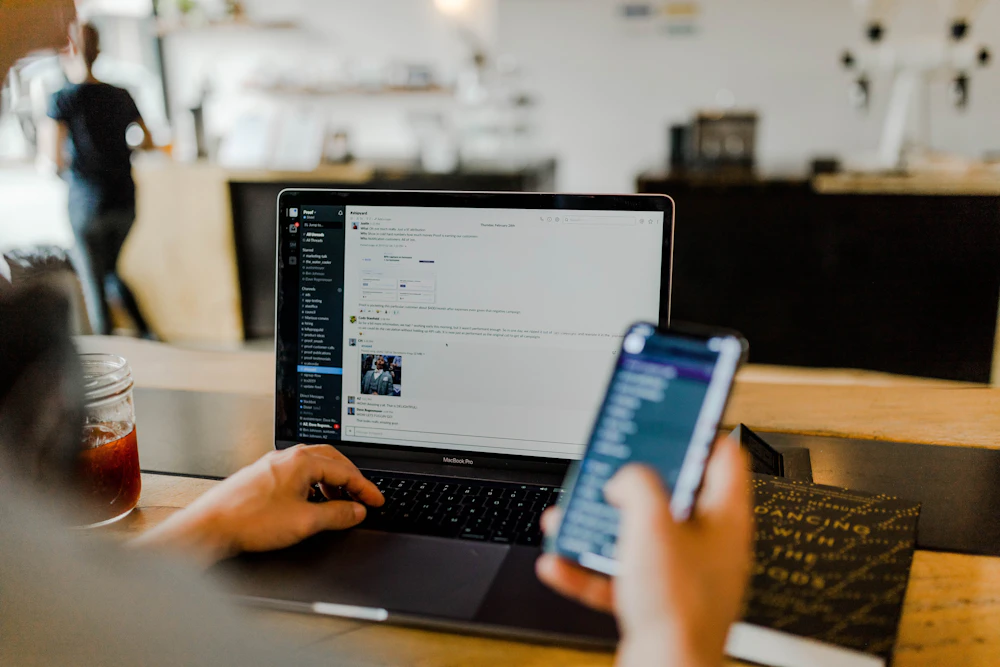
Customers are more careful about how their data is collected and used. At the same time, businesses still need accurate customer insight to run effective campaigns. The answer is not more hidden tracking. The answer is better value exchange.
Brands need to earn useful data by offering something meaningful in return: helpful recommendations, easier checkout, loyalty benefits, exclusive content, reminders, consultations, or a more personalized buying experience.
Zero-Party vs First-Party Data
First-party data comes from direct interactions with your business, such as website visits, form submissions, purchases, calls, bookings, email engagement, and CRM records. Zero-party data is information customers intentionally share, such as preferences, budgets, product needs, size choices, goals, or service requirements.
Zero-party data is especially valuable because it is clear and consent-based. A customer who tells you their budget, location, buying timeline, and preferred service gives you better insight than a vague audience segment ever could. That makes tools like lead automation workflows, content offers, and consultation forms far more useful than generic traffic alone.
Trend #3 - The Rise of Immersive Commerce
Customers Want to See More Before They Buy
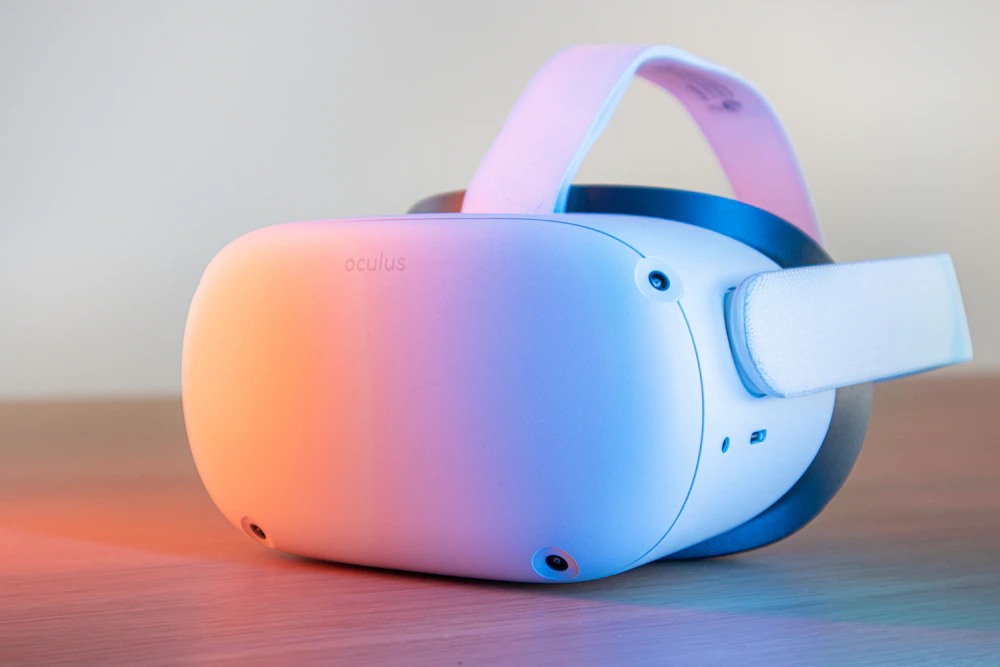
Online buyers want confidence. They want to understand size, fit, color, finish, and real-world use before making a decision. Immersive commerce helps close that gap by making digital product discovery more visual and interactive.
For some businesses, this may mean AR product previews. For others, it may mean interactive galleries, 360-degree product views, virtual consultations, short demo videos, or detailed landing pages that answer every buyer question before a sales call.
Starting Small
- Add stronger product visuals, demo videos, and comparison sections to key landing pages.
- Create 360-degree or AR-ready assets for your top-selling products first.
- Use Instagram, Snapchat, or website-based tools when they match your audience behavior.
- Measure leads, conversion rate, time on page, and customer questions before scaling further.
Even without AR, many businesses can improve results just by upgrading their website design and building clearer, conversion-focused service pages.
Your 2026 Digital Marketing Action Plan
Knowing the trends is useful. Turning them into action is what creates growth. Use this roadmap to begin improving your digital marketing system now.
Audit Your Current Digital Presence
Review your website speed, SEO visibility, landing pages, analytics, ad accounts, social channels, CRM, and lead follow-up process.
Build Better Data Channels
Improve your forms, WhatsApp flows, lead magnets, quizzes, booking pages, and customer feedback loops.
Use AI Where It Improves Quality
Apply AI to content planning, keyword clustering, campaign testing, audience research, reporting, and personalization.
Upgrade Your Product Experience
Add richer visuals, FAQs, demos, comparison blocks, service pages, and interactive tools where they help customers decide faster.
Frequently Asked Questions
What are the biggest digital marketing trends in 2026?
The biggest trends are AI-led hyper-personalization, privacy-first data strategies, and immersive commerce.
What is zero-party data and why does it matter?
Zero-party data is information customers intentionally share with your brand, such as preferences, goals, budgets, and needs.
How does AI hyper-personalization differ from regular personalization?
Regular personalization usually responds to past behavior. AI hyper-personalization uses customer signals and predictive insights to adjust content, offers, and campaigns closer to real time.
Is immersive commerce useful for small businesses?
Yes. Small businesses can start with better product visuals, demo videos, 360-degree views, AR filters, or interactive landing pages.
Final Thoughts
Digital marketing in 2026 will reward brands that combine intelligence with trust. AI can make campaigns faster and sharper, but customer confidence still comes from clear communication, useful content, strong design, and consistent follow-up.
The brands that win will not always be the biggest. They will be the ones that prepare early, learn quickly, and build marketing systems around real customer needs. If you want that system to include better SEO, content, social ads, and lead follow-up, the internal structure of your website should reflect it too.
Ready to Prepare Your Business for 2026?
Raja Digital Media helps businesses in Karur and across India build smarter websites, stronger SEO, better content, effective ad campaigns, and lead systems that support long-term growth.
Get a Free Strategy Audit